
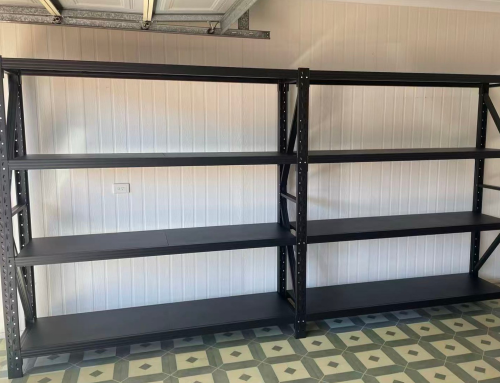
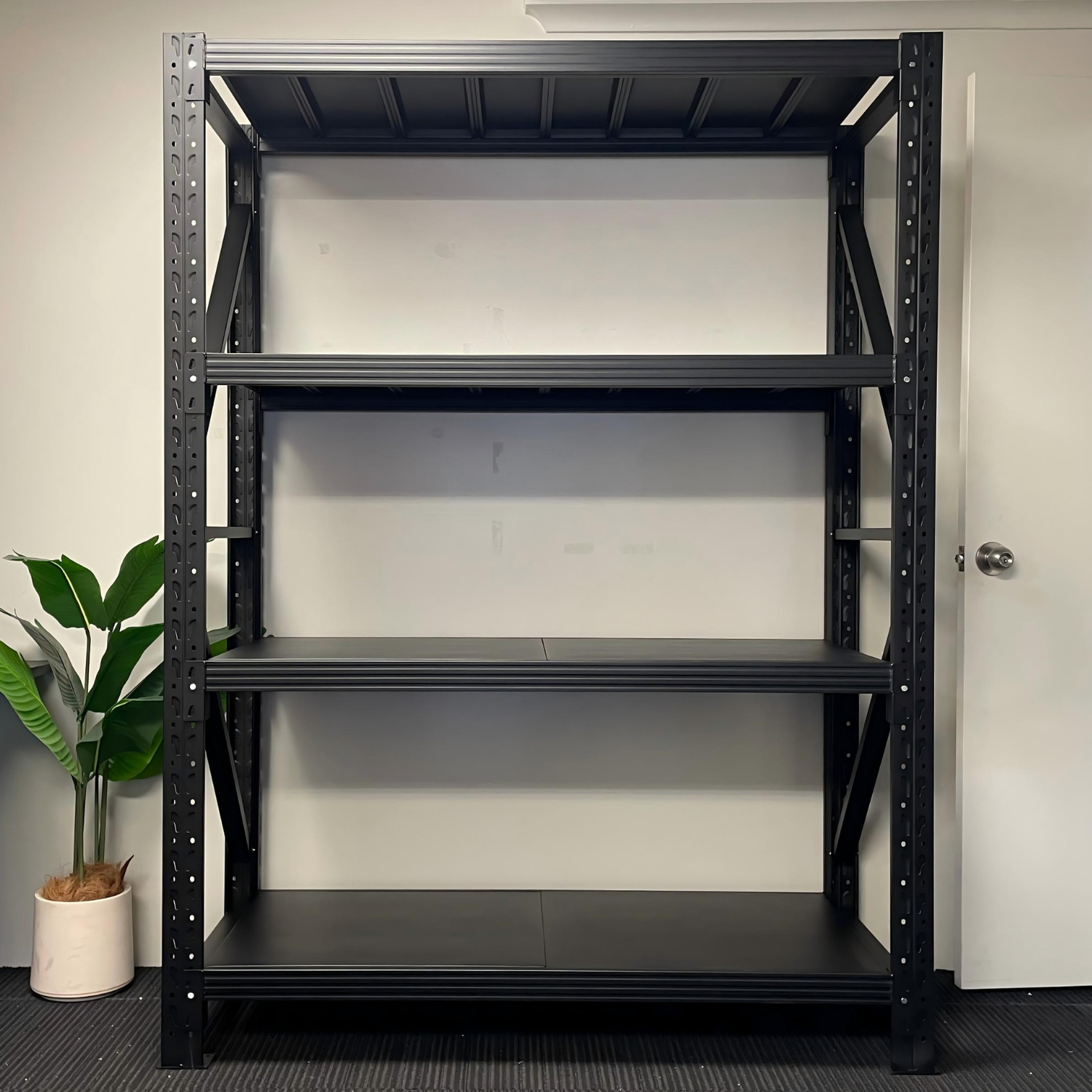
Longspan shelving is made up by vertical columns and horizontal beams, which is widely used by its steel-framed structural design. It is specifically used for applications requiring manual item storage, which can accommodate extended spans. Compared to traditional household shelving, longspan shelving offers superior structural stability. In contrast to heavy-duty pallet racking systems, it provides greater flexibility in installation, reconfiguration, and operational use.
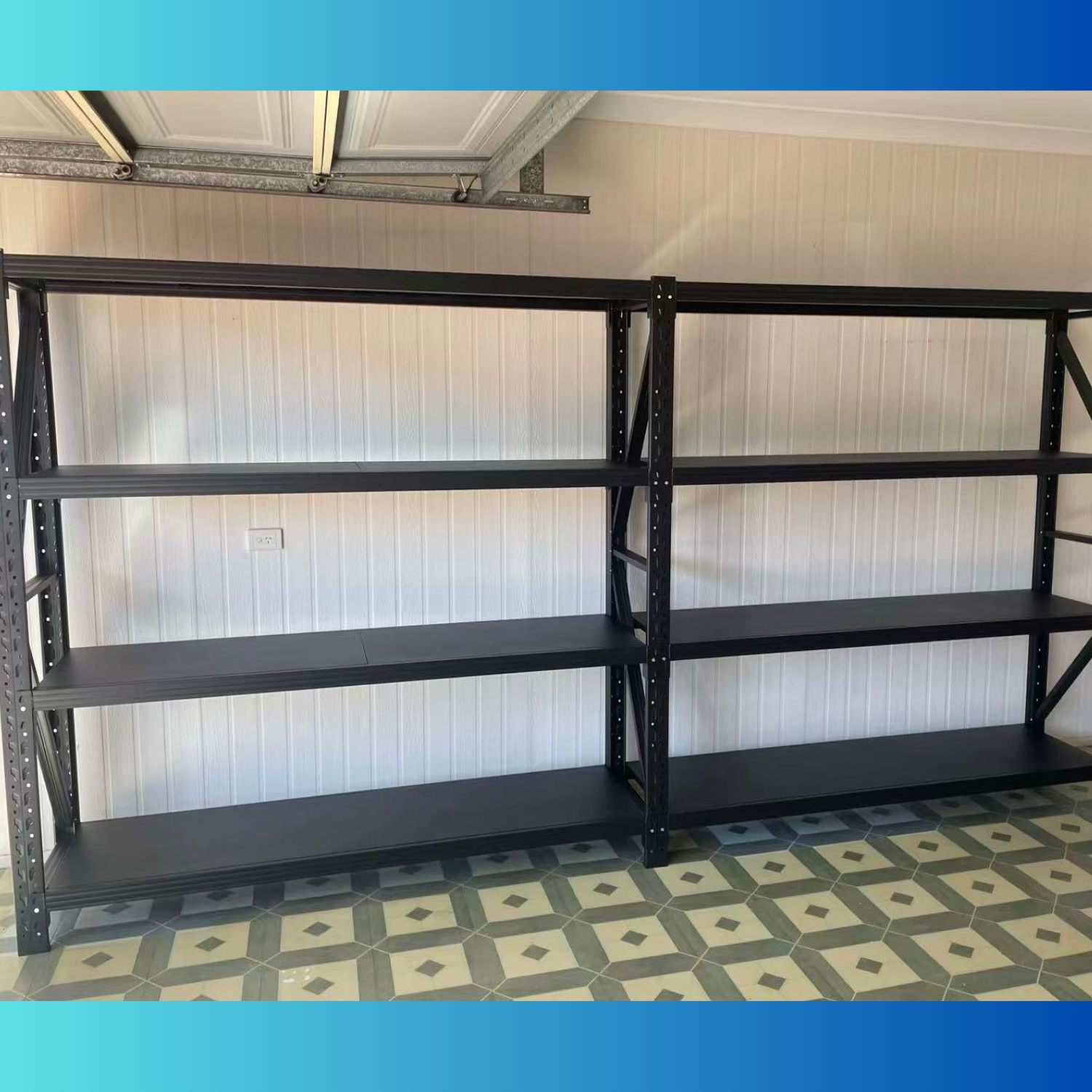
Due to its high scalability, longspan shelving can be initially configured with basic width of 1.2m, 1.5m, or 2.0m, and progressively expanded to span widths ranging from 2.4m to 6.0m. Additionally, the longspan shelving can normally integrated into a continuous shelving systems spanning from 8m to 20m. As a result of its flexibility, it is widely used in various scenarios such as warehouse picking areas, retail backrooms, maintenance workshops, and residential garages. Whether utilized for inventory organization or daily categorization management, longspan shelving achieves a satisfied balance between space utilization and load-bearing performance.
The Differences between Light Duty and Heavy Duty Longspan Shelving
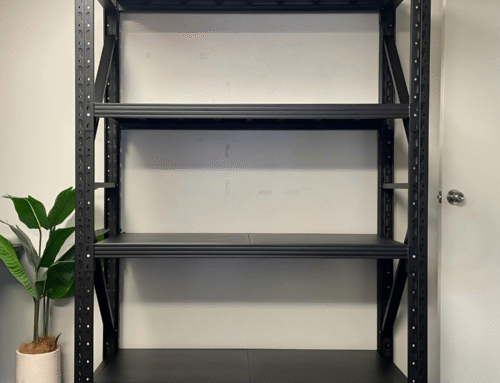
In fact, choosing long-span shelves is not that complicated. The key lies in whether you prefer “skill” or “force”: The lightweight shelves are like a master of space management, with lightweight frames and a depth usually around 0.5 meters. They are particularly suitable for storing cartons, office documents, or scattered parts, emphasizing efficient space utilization.
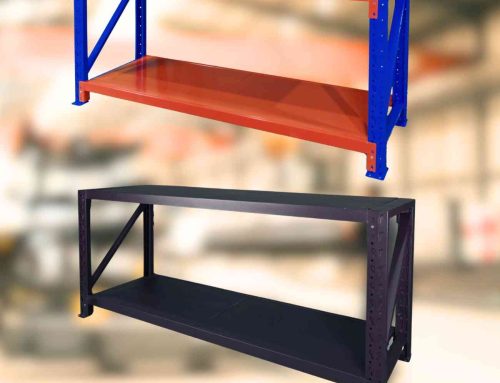
On the other hand, the heavy-duty shelves are the standard “powerful players”. They use thicker frames and crossbeams to bear the weight, specifically designed for high-intensity industrial storage and frequent handling. No matter how heavy the load is, they can stand firm as a mountain. Common heavy-duty configurations typically have a layer depth of 0.6m and support longer and taller structures. Some models can also be equipped with wheels to meet the needs of work environments that require flexible movement. Compared to light duty, the heavy-duty system has more advantages in terms of safety and durability.
Differences in Construction between Frame and Beam
When it comes to building a reliable shelving system, the relationship between the frame and the beam is the key. The frame is the “backbone” that keeps the entire unit stable, while the beams do the heavy lifting for each individual shelf.
Light-Duty Longspan Shelving
This setup is perfect if you’re looking for something versatile and easy to manage.
- Best for: Medium heights and moderate weight loads.
- The Build: The beams are designed to be lightweight, prioritizing quick installation and easy adjustments over raw strength.
- The Result: A flexible system that can be reconfigured on the fly without many difficulties.
Heavy-Duty Longspan Shelving
If you’re outfitting a busy warehouse or an industrial workshop, you need something much more rugged.
- The Build: These frames are forged from high-strength steel to resist bowing or deforming under pressure. The columns are built to withstand intense bearing pressure, allowing for wider spans and more vertical levels.
- The Connection: The beams are significantly thicker, utilizing reinforced connection points that stay rock-solid over time.
- The Result: A dependable, long-term solution that won’t flinch under constant high-frequency use or massive weight loads.
Choose the Right Shelving in Different Scenarios
According to the research, a suitable shelving is crucial in warehouse design, and it affects the costs of managing and storing things. . Choosing the appropriate longspan shelving frame and beam combination depends on the actual usage requirements. First you have to figure out how heavy the things are that you will store on the longspan shelving and how space they will take up. Then thinking about the space where the longspan shelving will place and how deep you want the layers of stored items to be. If the storage mainly involves medium and lightweight items and wants a large-scale organization within a limited budget, a light-duty configuration is usually sufficient.
If the items stored are heavy equipment or tools, then a heavy-duty frame and beam setup should be chosen as the priority. For sites that require long-term storage of materials, it is recommended to consider a combination system ranging from 2.4 meters to 6.0 meters. This will maximize the utilization of space. Once the load-bearing and other key indicators are determined, then choose the colours and accessories based on the on-site environment. The entire system will not only be sturdy and functional but also visually more unified and harmonious.
Takeaway Message
Choosing long-span shelves is an art of “balance”. One should not merely focus on the load-bearing capacity figures. The key is to analyse the actual needs, which are the space availability and the frequency of usage. If shelves are mainly used for personal reason, lightweight shelves are ideal for its size and flexibility. However, if the shelves are used in a high-intensity industrial environment and need to frequently access heavy items, then the heavy-duty types with a more solid structure would be the choice, since it emphases stability and safety.




Leave A Comment