
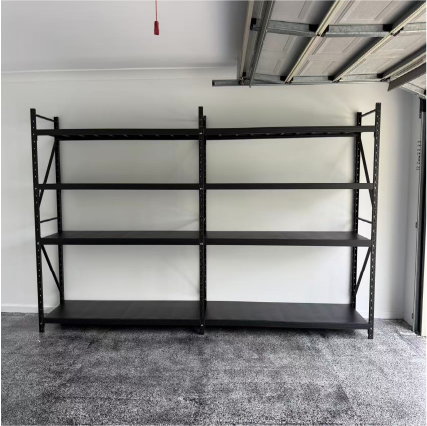
Garage shelving seems simple until you start measuring real spaces and actual items. In Brisbane and the Gold Coast, garages often use as storage rooms, home gyms, tool areas, and even laundry overflow as well. The right shelves come down to two things you can control: size that fits your layout and load rating that matches what you store. This guide helps you find the most suitable shelves at one time.
Understand What Your Garage Actually Needs
Measure the usable footprint, not the empty room
Most garages have dead zones that are difficult to use, such as behind car doors, beside internal access doors, or around the hot water unit. Mark out the space where shelving can live without blocking movement. A practical starting point is leaving a clear walkway wide enough to carry a storage tub without turning sideways. If you park inside, open your car doors and measure the swing area so the car door will not hit the shelves.
List what you need to store on the shelves and how it is stored
Write down the biggest items and the heaviest items first. Choose the size based on the largest items and load based on the heaviest items. Also different container types lead to different storage method. Clear tubs stack differently to open crates and long items like fishing rods, ladders, and timber need length and support, not just depth.
Step-by-Step Method for Choosing the Right Size and Load
1. Start with shelf depth based on what you store
Depth is the most common mistake you could make. If it is too deep then the back becomes a graveyard and if it is too shallow then the tubs hang over the edge.
For most garages, a moderate depth works best for storage tubs, paint cans, and cleaning supplies. If you store bulky sports gear, you may need more depth but keep access in mind. A good rule is that you should reach the back without climbing onto the shelf.
2. Set shelf width and bay count to match your wall space
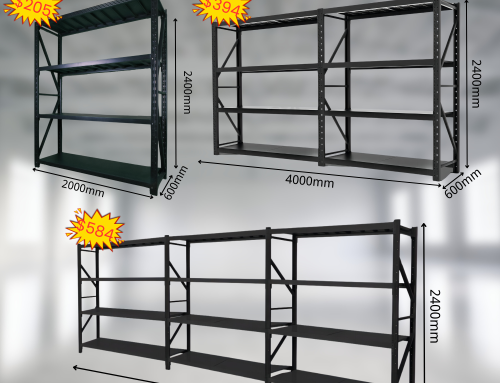
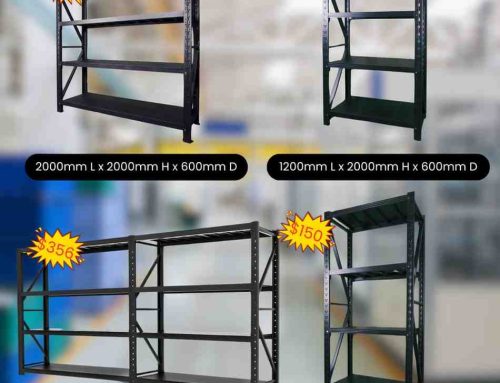
Instead of one massive shelf run, think in bays. Bays let you adjust height levels and keep weight distributed. Measure the wall length, then plan a layout that leaves space for power points, wall hooks, and bin access. If you expect future changes, choose a model that allows you to add another bay later rather than forcing a full replacement.
3. Decide shelf height using your largest item plus hand clearance
Shelves with tight levels make everything harder. Measure your tallest stored item, then add a little clearance so you can lift it in and out without hurting yourself or tipping containers.
Also, plan the top shelf realistically. If you cannot safely lift a heavy tub above shoulder height, do not design a storage plan that requires it. Put light, low-use items up high. Keep daily tools and car care products between waist and chest height.
4. Choose load rating based on real weight, not guesses
Load rating should reflect the heaviest shelf in the system, not the average. Identify your heavy categories, like power tools, fasteners, paint, car parts, or boxed tiles. If you are storing liquids, remember that weight adds up fast. Plan each shelf as if it could become the heavy shelf later, because storage habits change.
Also, check if the rating is per shelf or per entire unit. Then factor in weight distribution. Concentrated loads in one spot are harder on shelves than evenly spread tubs.
5. Match materials and setup to coastal conditions
Brisbane & Gold Coast can bring humidity and salty air, especially closer to the coast. Look for finishes that resist surface corrosion and wipe down easily. Keep your shelving slightly off the floor if your garage may get water near the door. If you store any liquid, avoid leaving them directly on steel surfaces for this may cause corrosion.
6. Anchor for safety and long-term stability
Even strong shelves can become unstable if they are tall and narrow or if heavy items sit high. If you have kids, pets, or you grab items quickly, anchoring matters. Keep heavier items low to reduce tipping risk.
Build a Better Setup Through Small Adjustments
The best garage shelving plan will never be perfect on day one. After installation, use it for two weeks, then adjust the height based on what you reach for. Your garage becomes easier to use, safer to move through if you choose the right garage shelves.


Leave A Comment